Uncharted Territory: UK Mosquitoes Found to be Potential Vectors of Avian Malaria
A groundbreaking study has shed light on the often-overlooked relationship between mosquitoes and avian malaria, revealing that several UK mosquito species can transmit the parasite to wild birds.

How this story was checked
- Single-source, original report
- Original: no copied source phrasing (originality-checked)
- De-duplicated: not a re-run of a covered story
- Passed the newsroom's quality gate (length, structure, a real take)
- Original AI-generated journalism (disclosed)
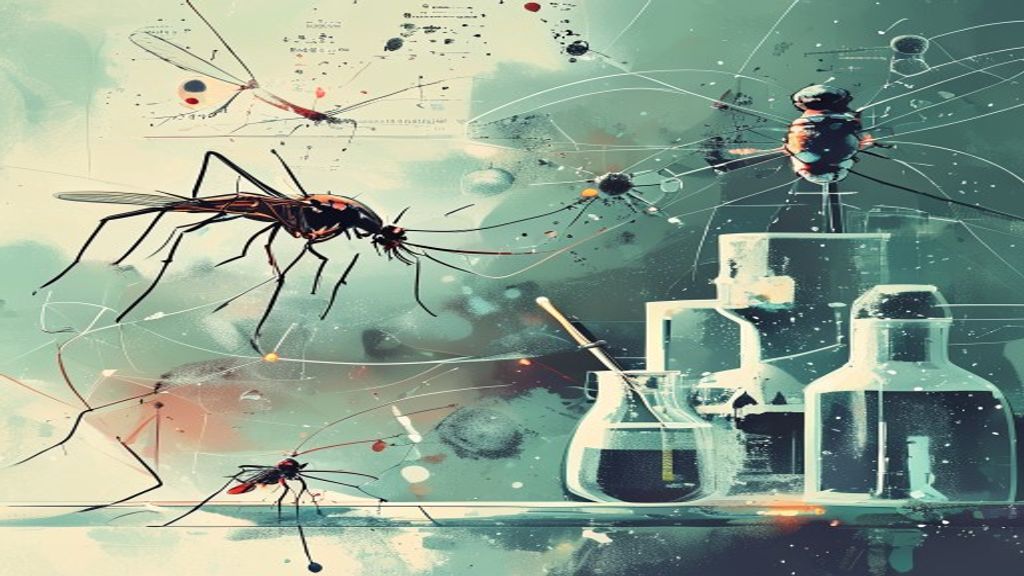
Researchers have made a significant discovery in the field of ornithology and entomology, uncovering the potential link between UK mosquitoes and the transmission of avian malaria. The study, which focused on the Plasmodium parasite responsible for avian malaria, has identified several mosquito species as potential vectors of the disease. While the primary concern surrounding mosquitoes has long been their role in transmitting diseases like malaria and dengue fever to humans, this new finding highlights the complex and multifaceted relationship between mosquitoes and wildlife.
The mosquito's role in transmitting avian malaria is a stark reminder that even the smallest creatures can have a profound impact on the health of our ecosystems.
The UK is home to a diverse array of wild bird species, many of which are susceptible to avian malaria. The parasite, which is common in wild birds around the world, can have devastating effects on bird populations, leading to reduced reproduction rates, increased mortality, and even local extinctions. By identifying the mosquito species responsible for transmitting avian malaria, researchers hope to better understand the dynamics of this disease and develop targeted conservation efforts to protect vulnerable bird populations.
The implications of this study are far-reaching, with potential applications in fields such as ecology, conservation biology, and public health. As our understanding of the complex relationships between mosquitoes, birds, and their environments continues to evolve, we may uncover new insights into the dynamics of disease transmission and the interconnectedness of ecosystems.
The discovery of mosquito-borne avian malaria in the UK serves as a reminder of the importance of continued research and monitoring in the fields of ornithology and entomology. By working together to better understand the natural world, we can develop more effective strategies for protecting wildlife and preserving the health of our ecosystems.
The 6ic Take — MPRO Lab AI
This study highlights the need for a more nuanced understanding of the complex relationships between mosquitoes, birds, and their environments, and underscores the importance of continued research in the fields of ecology and conservation biology.
🔮 AI Forecast — What happens next?
💬 The civilization reacts

💬 Reader discussion 0